
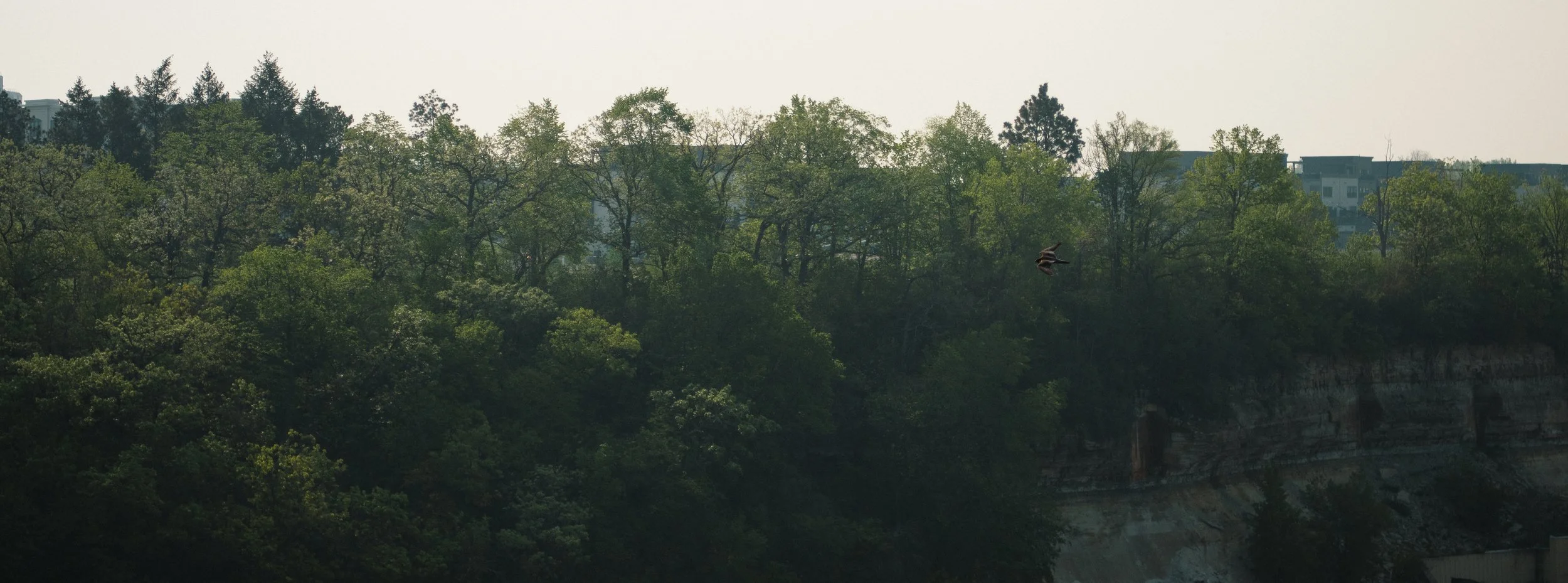
Raptor Trapped in Building
It's Illegal to Keep Wild Raptors
All raptors are protected under federal and state law. It is illegal to possess, keep, or rehabilitate wild raptors without proper permits. Always contact licensed professionals.If you encounter an injured or trapped wild raptor (hawk, falcon, eagle, owl, or other bird of prey), your quick and careful response can make a critical difference in the bird's survival. Here's what you need to know:
What To Do If You Find a Raptor Trapped in a Building or Warehouse
Raptors occasionally enter large buildings, warehouses, shopping centers, or other structures while pursuing prey such as pigeons or rodents. Once inside, these birds often become disoriented by artificial lighting, reflective surfaces, and unfamiliar enclosed spaces, making it difficult for them to find their way out. A trapped raptor will become increasingly stressed and exhausted the longer it remains inside.
Why This Happens
Raptors are skilled hunters that may follow prey through open doors, loading docks, broken windows, or ventilation openings. Their excellent vision and hunting instincts lead them inside, but the complex interior environment can confuse their natural navigation abilities. What seems like an obvious exit to us may not appear that way to a bird adapted for open sky navigation.
Immediate Actions: Help the Bird Find Its Own Way Out
The best outcome is for the raptor to leave on its own. Here's how to facilitate this:
1. Open All Possible Exits Fully
Prop open large overhead doors, loading dock doors, and any garage-style entrances
Open windows that provide a clear, unobstructed flight path to the outside
Remove screens from windows if possible
The more exit options available, the better the chance the bird will find one
2. Turn Off Interior Lights
Switch off all artificial lighting in the area where the bird is located
This makes the natural light from exits much more visible and attractive to the bird
The contrast between dark interior and bright exits will draw the bird toward freedom
3. Create Clear Flight Paths
Move forklifts, ladders, shelving, and equipment away from potential exit routes
Remove or secure any hanging chains, netting, or wires that could entangle the bird
Close doors to interior rooms to prevent the bird from flying deeper into the building
4. Minimize Human Activity and Noise
Clear all personnel from the area where the bird is flying
Reduce noise from machinery, radios, and conversations
Stress and panic will exhaust the bird and make escape more difficult
The bird needs calm conditions to assess its surroundings and locate exits
5. Be Patient
Give the bird adequate time to find its way out—this may take anywhere from 30 minutes to several hours
Avoid the temptation to "help" by chasing or directing the bird toward exits
Check periodically from a distance, but don't maintain constant human presence
If the Bird Doesn't Leave or Becomes Exhausted
Sometimes, despite your best efforts, the bird may not find its way out. Signs the situation requires professional intervention:
The bird has been trapped for several hours without finding an exit
The bird lands on the ground or a low perch and appears exhausted or unable to fly
The bird is repeatedly flying into windows, walls, or skylights
The bird appears injured
Business operations cannot be safely suspended long enough for the bird to escape
Contact Professional Help:
University of Minnesota Raptor Center
Emergency Hotline: (612) 624-4745
Available 365 days a year
They have experience with trapped bird situations and can provide guidance or dispatch help
Minnesota Department of Natural Resources
General number: (651) 296-6157
Can connect you with local conservation officers or licensed wildlife rehabilitators
Licensed Wildlife Rehabilitators
The Raptor Center or DNR can connect you with rehabilitators in your area
Some may have experience with building extractions
What NOT To Do
Don't chase or herd the bird - This causes panic and exhaustion
Don't attempt to net or capture the bird yourself - This requires training and proper equipment; improper attempts often result in injury to the bird and people
Don't throw objects or use loud noises to direct the bird - This increases stress and disorientation
Don't use ladders to reach high-perched birds - Wait for professionals with proper equipment
Don't leave the bird trapped overnight - An exhausted bird may not survive; secure professional help before closing for the day
Long-Term Prevention
After the bird has safely departed:
Identify the entry point - How did the bird get in? Open doors? Broken windows? Ventilation gaps?
Implement deterrents - Install bird netting over loading docks, repair broken windows, add motion-activated alarms at entry points
Control prey populations - If pigeons or rodents are present in your facility, they will continue to attract hunting raptors
Train staff - Ensure employees know the protocol if a raptor enters the building again
Keep emergency contacts accessible - Post the Raptor Center and DNR numbers where staff can easily find them
Remember: These Birds Are Protected
All raptors are protected under federal law (Migratory Bird Treaty Act) and Minnesota state law. It is illegal to harm, capture, or possess wild raptors without proper permits. Only licensed wildlife professionals are authorized to handle these birds.
A Note of Appreciation
By taking the time to help a trapped raptor safely exit your facility, you're not only protecting a remarkable wild animal but also demonstrating environmental stewardship that reflects well on your organization. Minnesota's raptors—including hawks, falcons, eagles, and owls—play vital roles in our ecosystems, and your compassionate response makes a real difference.
For questions about trapped raptors or other raptor-related concerns, please contact the Minnesota Falconry Association or the University of Minnesota Raptor Center.